Ark & Dove
The river field guide
At St. Clement’s Island
At the dock, on the water, or following from home? Choose a place to begin. Each stop takes about a minute.
At the dock
Stand on the receiving shore.
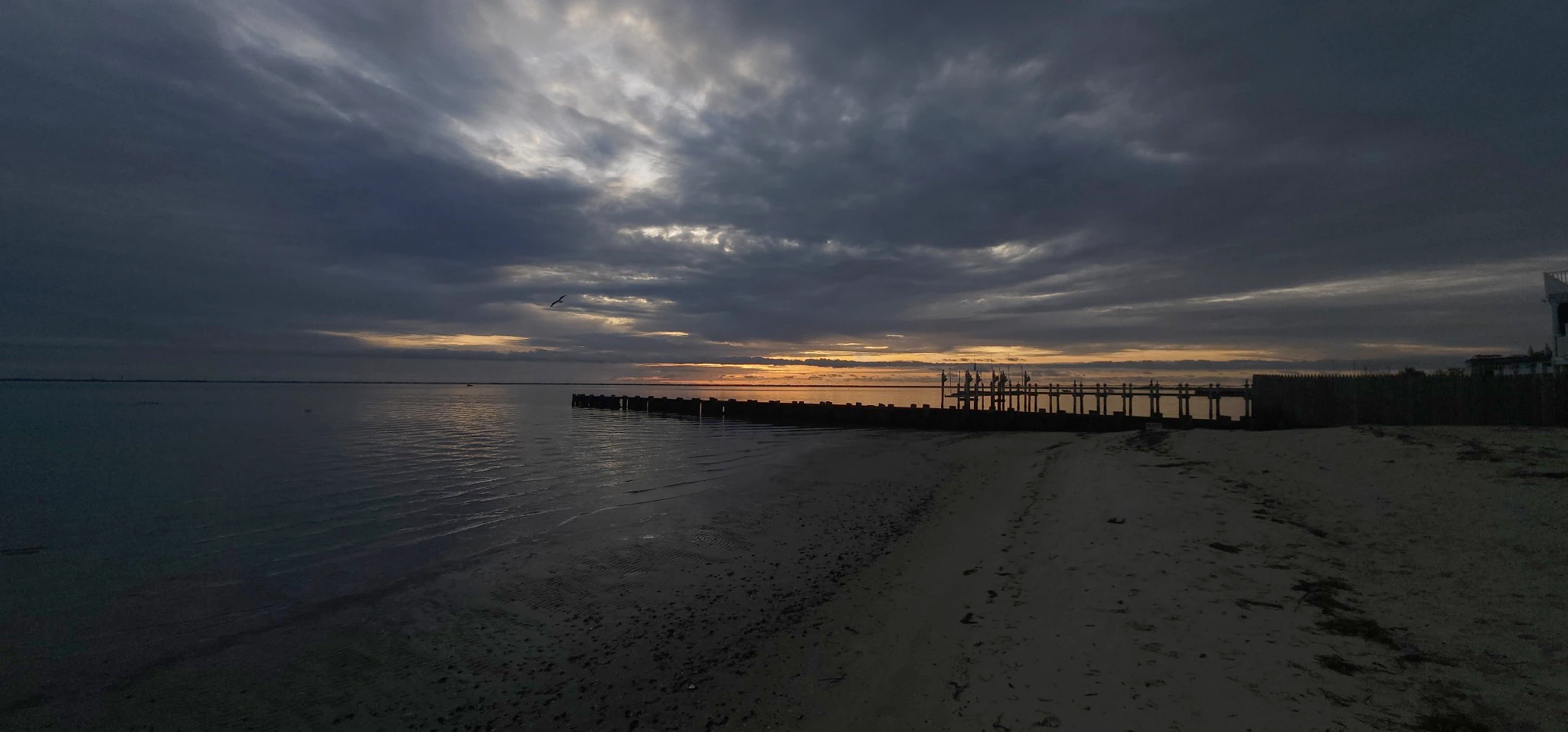
Look out across the water. Most pictures of the Maryland expedition put you aboard an English ship. For a moment, stay here. The river already ran through Native homelands. People traveled it by canoe, traded along it and knew who lived on the other bank.
Farther upriver, when a Piscataway leader went aboard an English vessel, Fr. Andrew White recorded the anxiety of the people watching from shore. For them, the person going out of sight was one of their own.
Read the exhibit about the receiving shore →On the water
What’s beneath the hull?
Look at the surface. Can you tell how much water is underneath you? White recorded soundings in fathoms as the expedition entered the Chesapeake. Four fathoms is twenty-four feet. Eight is forty-eight.
A sailor could lower a weight on a marked line until it touched bottom. Tallow pressed into its hollow foot could bring a little sand or grit back to daylight. In familiar waters, even that handful could help a pilot find his way.
See a sounding lead and how it worked →On the island
A feast day far from home.
March 25, 1634, was the Feast of the Annunciation. On an island in the Potomac, Fr. Andrew White celebrated Mass. He remembered the company carrying a wooden cross and singing as they went. He also remembered herons, trees and a small boat overturning where women had gone to wash their linen.
Take a moment with the river as it is today. Which detail would you write down for someone who had never stood here?
Open White’s voyage entry and its sources →Take this guide on your phone